


RightsStatements.org currently provides 12 different rights statements that can be used by cultural heritage institutions to communicate the copyright and re-use status of digital objects to the public. The rights statements have been designed with both human users and machine users (such as search engines) in mind and are made available as linked data. Each rights statement is located at …
What Digital Resolution is Needed to Scan Motion Picture Film: 4K, or Higher?
In the last few years, both digital intermediate (DI) postproduction systems and digital projection have advanced to full 4K resolution, avoiding the generation losses of traditional photo-chemical workflows. This leads to the question of how high a resolution is necessary to scan the film at the beginning of such a production chain. In fact, with the possibility that further improvements …
Digest: Film scanning considerations
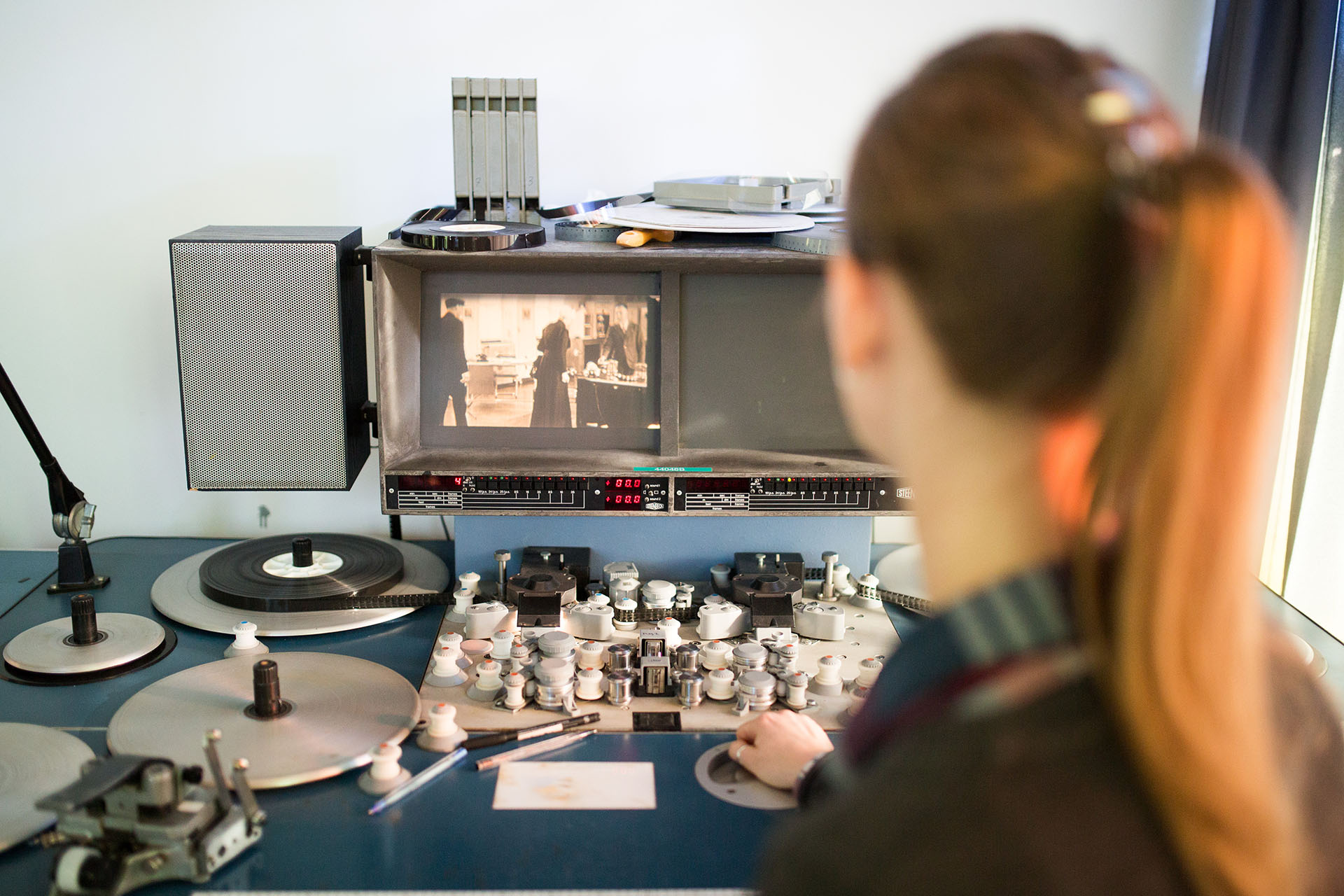
This PrestoCentre digest summarises the considerations and decisions made in the context of a large-scale film scanning operation by the Netherlands Institute for Sound and Vision. Sound and Vision guarantees the sustain- able preservation of the Dutch national audio-visual heritage and makes it accessible to professionals, educational institutes and the general public. The considerations presented by the authors (Tom de …
White Paper: Film scanning considerations
Sound and Vision is one of the six original partners of the programme ‘Images for the Future’ which started in 2007 and finishes in 2014. The main goal of the programme is safeguarding Dutch audiovisual material by realizing maximum accessibility to the material for the targeted user groups. Within the scope of the programme archive material is conserved, digitised and …
Frequently Asked Questions (about audiovisual preservation)
These FAQ questions about audiovisual preservation were written by Richard Wright for PrestoCentre in 2013 and updated in 2019. They provide an introduction to the wealth of information from the Presto Projects and PrestoCentre, now part of the AVA_Net Library. They are meant to give brief answers to the basic questions.
So Many Standards, so Little Time: a History and Analysis of Four Digital Video Standards
This dissertation focuses on standards for digital video – the social aspects of their design and the sociotechnical forces that drive their development and adoption. This work is a history and analysis of how the MXF, JPEG 2000, FFV1 and Matroska standards have been adopted and/or adapted by libraries and archives of different sizes. Well-funded institutions often have the resources …